Gathered friends,
Rather, I don’t think anyone expected BIONICLE to be a series that would stay with us forever, the way LEGO City has. However, nobody expected LEGO to simply kill off one of the three building systems that, for two decades, had served as the pillars upon which the company built its stable position.
When CCBS shared the fate of our beloved parts introduced during G1 run, it quickly became apparent that LEGO no longer had much to offer to people whose only connection to the company’s products was the ability to build LEGO Technic-based figures and monsters. Of course, with LEGO Technic elements still in production, it is still possible to build most of the Rahi from 2001, and with enough effort, you can even build a fairly solid-looking titan. However, if someone tried to build a Toa figure exclusively from currently produced pieces (plus 3D-printing the Kanohi mask), the building process would essentially boil down to connecting ball sockets and through-hole balls with small Technic components, with a noticeable overreliance on element 92907, which, following LEGO’s discontinuation of bone pieces, has become an essential part of custom limbs.
Despite the fact that modern sets from themes such as Ninjago, Monkie Kid, and Dreamzzz still make use of LEGO Technic, LEGO has so far not been kind enough to introduce, for the benefit of these themes, an element that BIONICLE fans could regard as a successor to the BIONICLE bone pieces. After all, doing so would require introducing merely 3–4 versatile molds and convincing the members of the Creative Team to start using these new pieces in mechs and dragons. So introducing such sets and making them available on Pick a Brick page wouldn’t hurt LEGO .
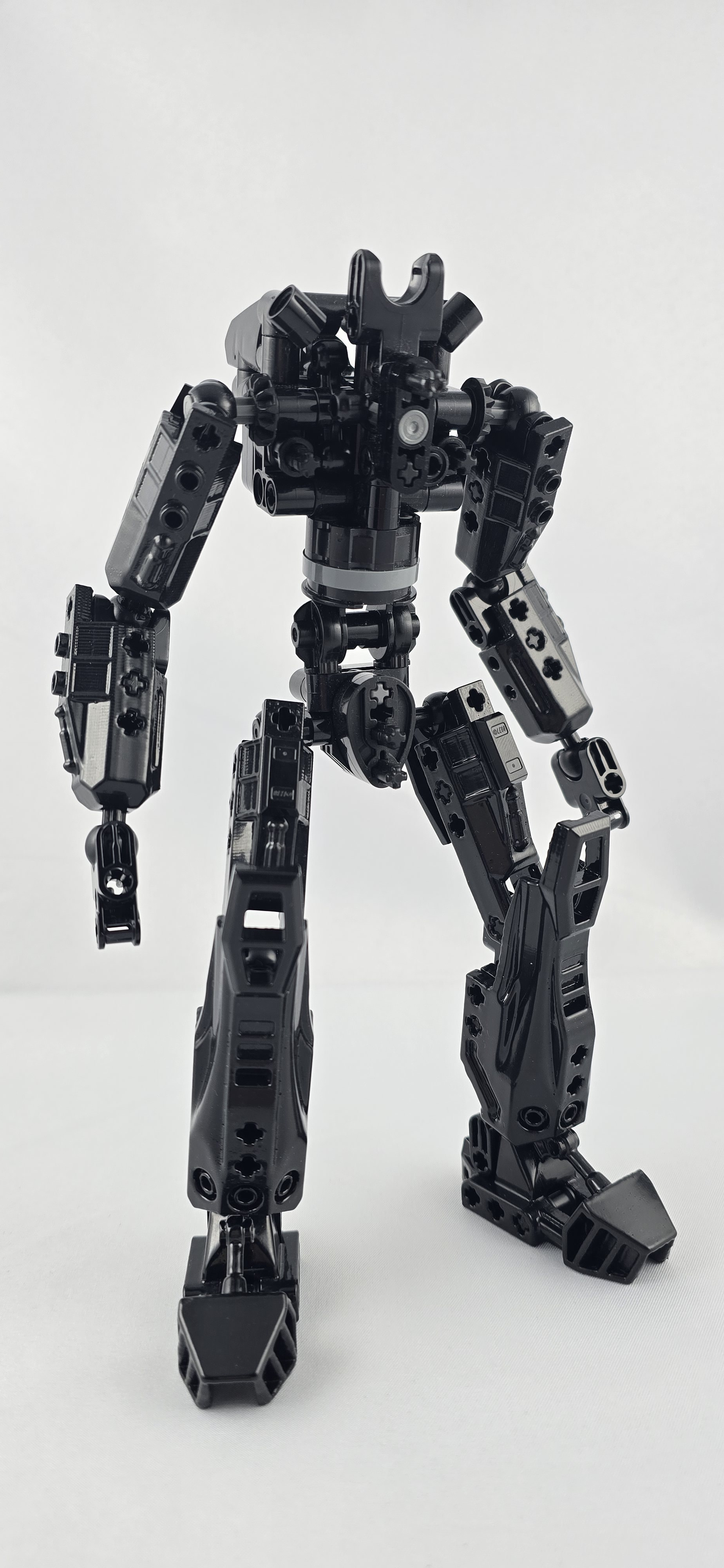
Tired of waiting for LEGO to make a right move, I therefore decided to design my own building system—T.A.F.B.S. (Technic Action Figure Building System)—with the goal of showing LEGO just how little it would take to rebuild the bridge that the company has repeatedly burned over the past few years, and to once again attract BIONICLE fans whom LEGO has successfully alienated by the brazen cancellation of Masks of Power two years ag o.
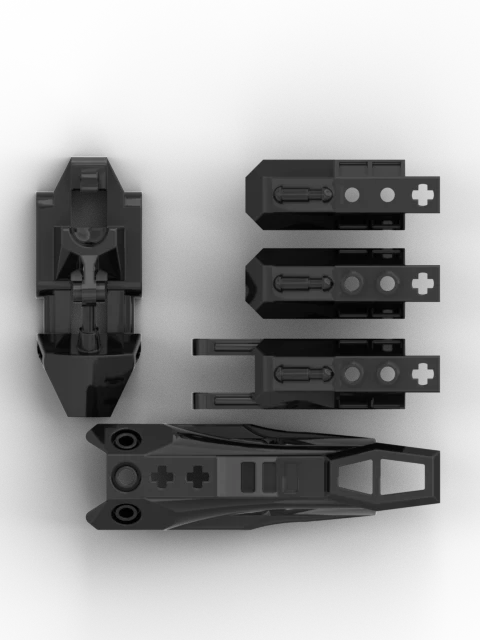
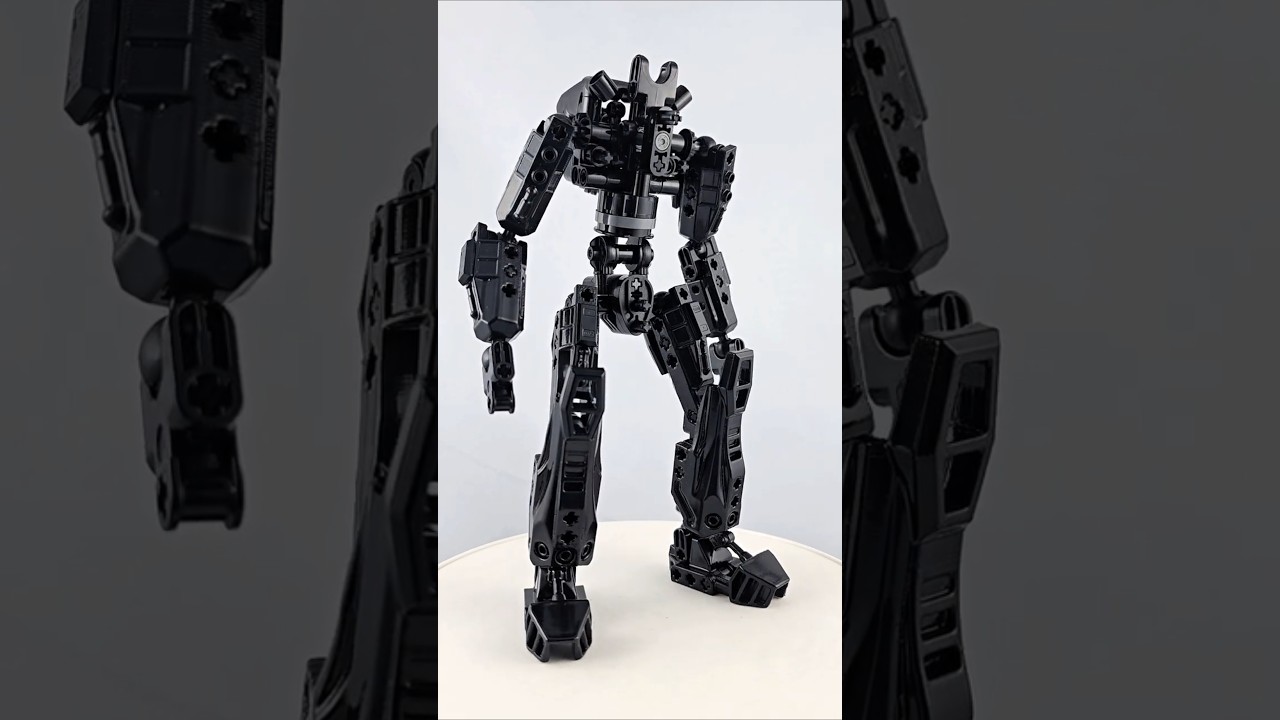
At the beginning of this year, I showed you sketches of several TAFBS parts, but for this year’s 810nicle Day, I prepared something more. I modeled four TAFBS elements in SolidWorks and made the files available for 3D printing, allowing you to build the arms and legs of a Toa figur e.
Let’s start with the basic TAFBS sh ell:

This is undoubtedly the most versatile element in the system. It can serve as a shin, an upper arm, a forearm, a torso core, a gun barrel, or even part of a jetpack. The only real limit is your imagination. Thanks to the numerous connection points that allow the shell to be customized however you like, this single part solves most of the problems that plagued previous BIONICLE building sys tems.
Anyone who has ever attempted to build custom limbs using only LEGO Technic elements has probably noticed that part 92907 is almost indispensable. Without it, it’s practically impossible to build a slim limb that won’t fall apart every time you pose your Toa. That’s because this element supports standard ball sockets, ball joints, as well as Hordika and Glatorian neck pieces from both sides, which is essential if you want a sturdy, durable build. LEGO doesn’t offer many parts like this, despite the fact that BIONICLE fans have long needed a longer, more customizable version of the same con cept.
This is exactly where the basic TAFBS shell comes in. It allows us to attach all the necessary joints while still leaving plenty of open connection points for adding further details later on. On top of that, the part looks great even on i ts own.
Unlike CCBS bone pieces, it doesn’t require armor shells for a limb to look complete, nor is it as visually plain as CCBS shells themselves. It also eliminates the common problem of limbs looking unfinished from t he back.
Another issue these new shells address is the fact that neither the ball sockets nor the ball joints are integrated into the shell itself. Instead, they’re attached separately and can easily be replaced if they eventually crack or wear out. Since they’re standard LEGO elements, replacements would always be readily available through Pick a Brick. In other words, a TAFBS shell could last for years. No matter how often you pose, disassemble, or rebuild your figure, worn out joints would never become an issue.
In this way, a single part solves two major problems at once: Building custom limbs and preventing long term wear from rendering the element unusable. As long as LEGO continues producing ball joints, this shell would remain a reliable component of virtuall y any MOC.
One major advantage shared by both shells we’ll be looking at today is that their design makes them equally useful in System sets and LEGO Technic vehicles. In other words, these parts could easily find applications outside BIONICLE as well, making them worthwhile additions to LEGO’s parts library. As Even if BIONICLE were discontinued for a third time, there would still be plenty of reasons for LEGO to keep prod ucing them.
The second element we’ll be discussing today is a variation of the shell you’ve just seen- TAFBS shell with knee connection:
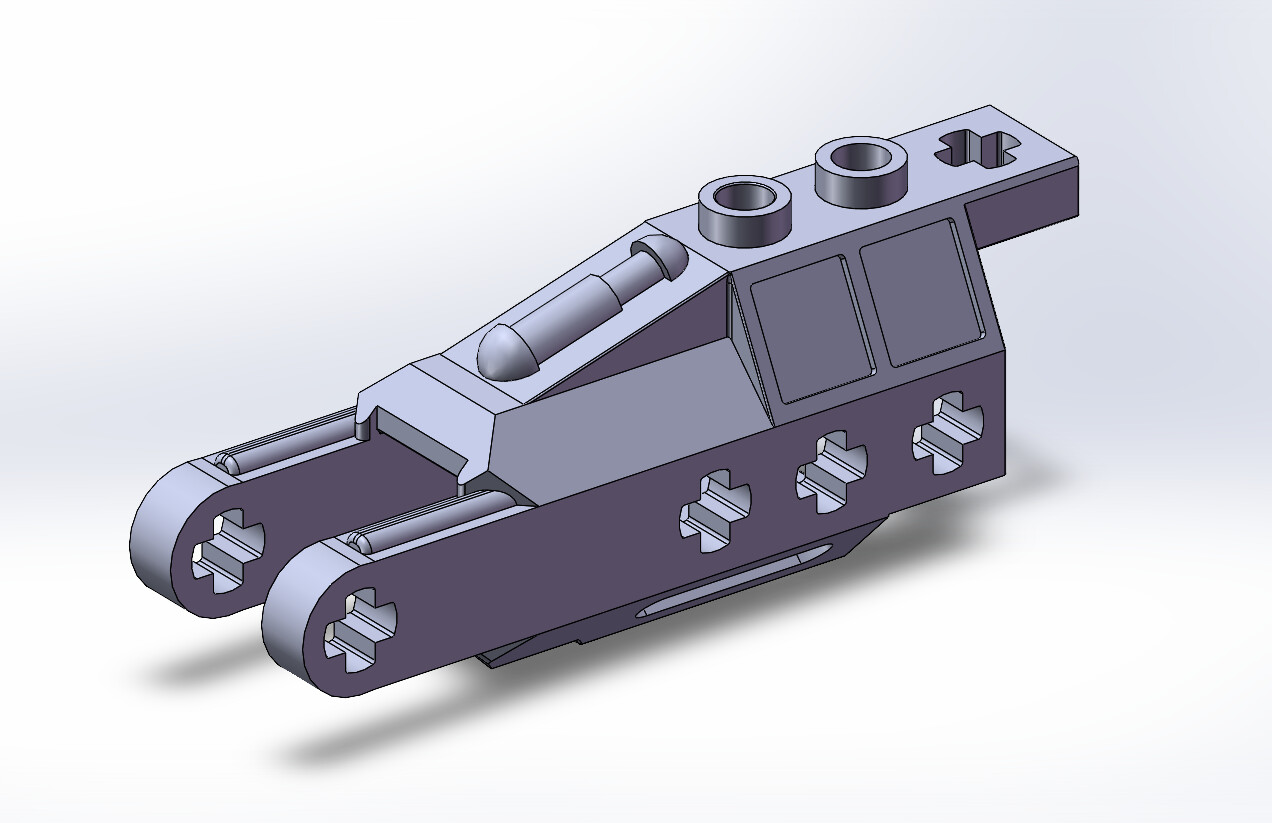
It’s basically a copy of previous brick, but with one difference: a pair of protruding flat liftarms designed to hold a ball joint between them, creating a knee connection. Because of this, the alternate shell works much better as a Toa’s thigh than the standard version. The second difference is a through hole that allows a Technic beam to run through the entire length of the shell. This makes it possible to extend the thigh for larger, more complex builds, particularly those required for Titan sized MOCs. It also lends itself well to more monstrous creations that require two ball sockets to be connected in parallel, making it much easier to build MOCs suc h as Miserix.
The third element is a TAFBS foot, heavily inspired by the classic piece introduced with the Toa Mata:
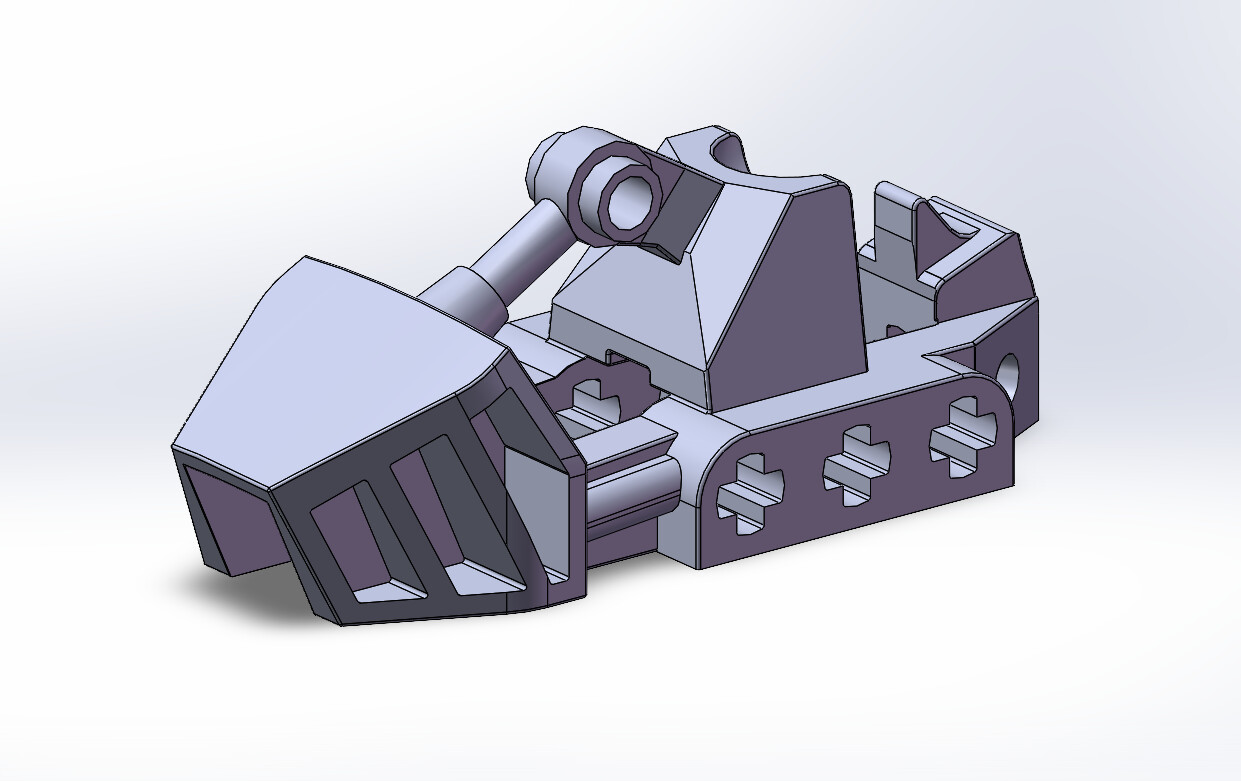
This new version is slightly longer and bulkier and, like the shells shown earlier, does not feature an integrated ball socket. The original Toa Mata foot was one of the most versatile pieces LEGO has ever produced. It frequently served not only as a foot but also as a shin, thigh, forearm, or even part of a torso. It even worked remarkably well as part of a Rahi’s head, as demonstrated by creatures such as Tahtorak. It therefore seemed obvious that, rather than reinventing the wheel, TAFBS would simply take something that was already nearly perfect and refine the classic design just enough to make it even more versatile.
The new foot blends seamlessly with the G1 aesthetic while providing enough stability for figures up to two and a half times the height of a Toa Mata. The increased emphasis on axle holes greatly expands customization options, while the absence of a protruding ball socket eliminates the problem of having to hide an unused socket whenever the piece is used as something other than a foot. Near the heel are two shallow bar holes positioned at an angle, specifically designed to accommodate decorative spikes if someone wanted to use the element as the core of a torso for, say, a Matoran.
Unfortunately, printing a bar socket on an angled surface can be somewhat problematic, as filament printers tend to flatten the top of the opening whenever possible. As a result, these holes require a small amount of post-processing, involving the careful removal of a little excess material before a bar can be inserted. It is possible that this issue has already been resolved by newer generation s of 3D printers.
Naturally, thanks to its decorative piston detail (thick as standard LEGO bar, thanks to what, it sac serve as additional connection point) and abundance of useful connection points, this part would also find plenty of applications outside BIONICLE, especially in mechs. Front side of the foot can serve as decorative part and be used in LEGO Technic vehicles.
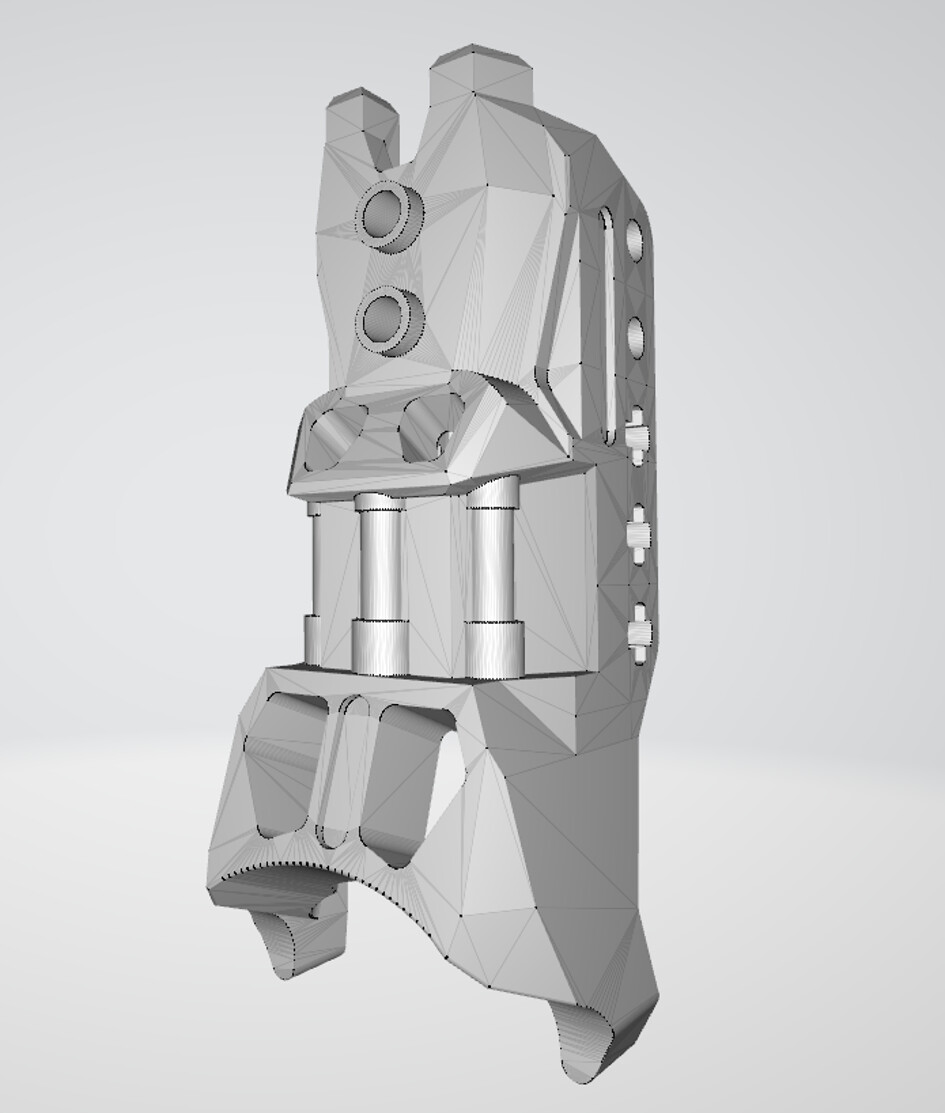
The last element we’ll be looking at today is a somewhat more specialized one, but it’s no less useful - TAFBS leg armor:
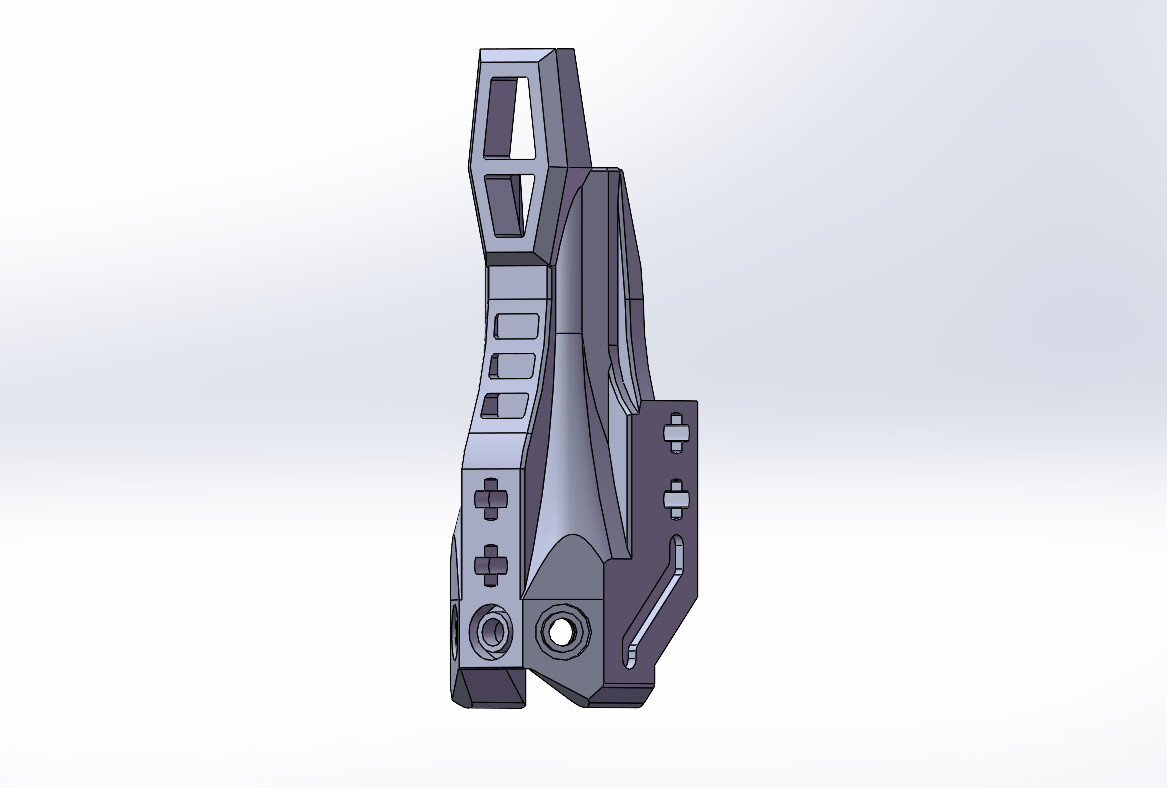
At the moment, LEGO doesn’t offer a single part that’s truly suitable as armor for a large action figure. As a result, designers of modern sets are forced to bulk out mech limbs with countless decorative slopes and other small System elements, dramatically increasing the number of pieces required to build a set. For example, the thigh of the Green Goblin buildable figure from the Super Heroes line alone consists of no fewer th an twenty six pieces.
In BIONICLE case, the problem looks very similar. Technic Panels are great for Rahi, Titans or BIONICLE vehicles. But majority of them is impossible to work as the armor for Toa or Matoran, due to the lack of axle holes placed in strategic places.
You’ve probably noticed that the part you see on screen right now wasn’t featured in any of the concept sketches I showed half a year ago. That’s because the idea for it only emerged relatively recently. For the building system to feel complete, it needed a somewhat bulkier element that could serve as a decorative shin guard. To meet the design goals of TAFBS, this armor piece had to be equally useful whether you were building a Toa, a Rahi, or a Titan. At the same time, it also needed to look like something that could naturally find a plac e in other LEGO themes.
When laid with its back surface parallel to the ground, this armor piece strongly resembles either a motorcycle fairing or a saddle. That resemblance is entirely intentional. From the very beginning, it was designed to function not only as shin armor, but also as the back of a Rahi or as the bodywork of a flying speeder. It could easily fit into a future LEGO theme centered around flying racing vehicles, piloted by buildable characters based on the construction system introduced in Mixels and heavily inspired by the Technic figures LEGO pr oduced during the 1990s.
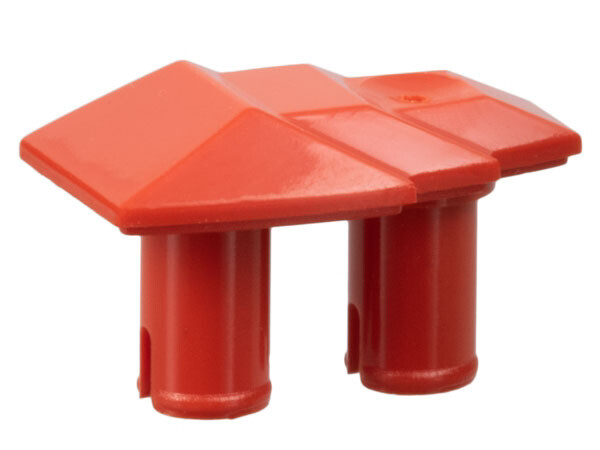
The armor attaches to TAFBS shells using the axle holes located on either side. It also features two front mounting holes for attaching additional decorative elements, such as Pohatu Nuva’s claws, along with three studs equipped with bar holes, each surrounded by a recessed anti stud socket. This solution allows builders to add colorful accents to a MOC without unnecessarily inc reasing its overall bulk.
It also makes it possible to give a figure the appearance of medieval plate armor. For example, attaching 1 x 1 pyramid pieces (22388) to studs inserted into these sockets creates the look of decorative rivets.
At first glance, the element may seem a little oversized, but that’s because it was intentionally designed to work just as w ell on Titan sized figures.
It’s also worth mentioning that the spacing between the rear walls with axle holes allows for a dual ball joint setup similar to the one used on Takanuva in 2008, even without relying on the alternate shell variant shown earlier.

When designing a complete building system, one of the most important tasks is establishing a clear design language: a set of rules that defines how models should be built so that, regardless of what you’re creating, every model remains compatible with the system’s overall ecosystem. These rules define things such as the typical height range of a Toa compared to a Matoran, or even what the default construction of a standard canister set should look like. Following these guidelines allows builders to distinguish different species through the characteristic proportions and construction techniques associ ated with each type of build.
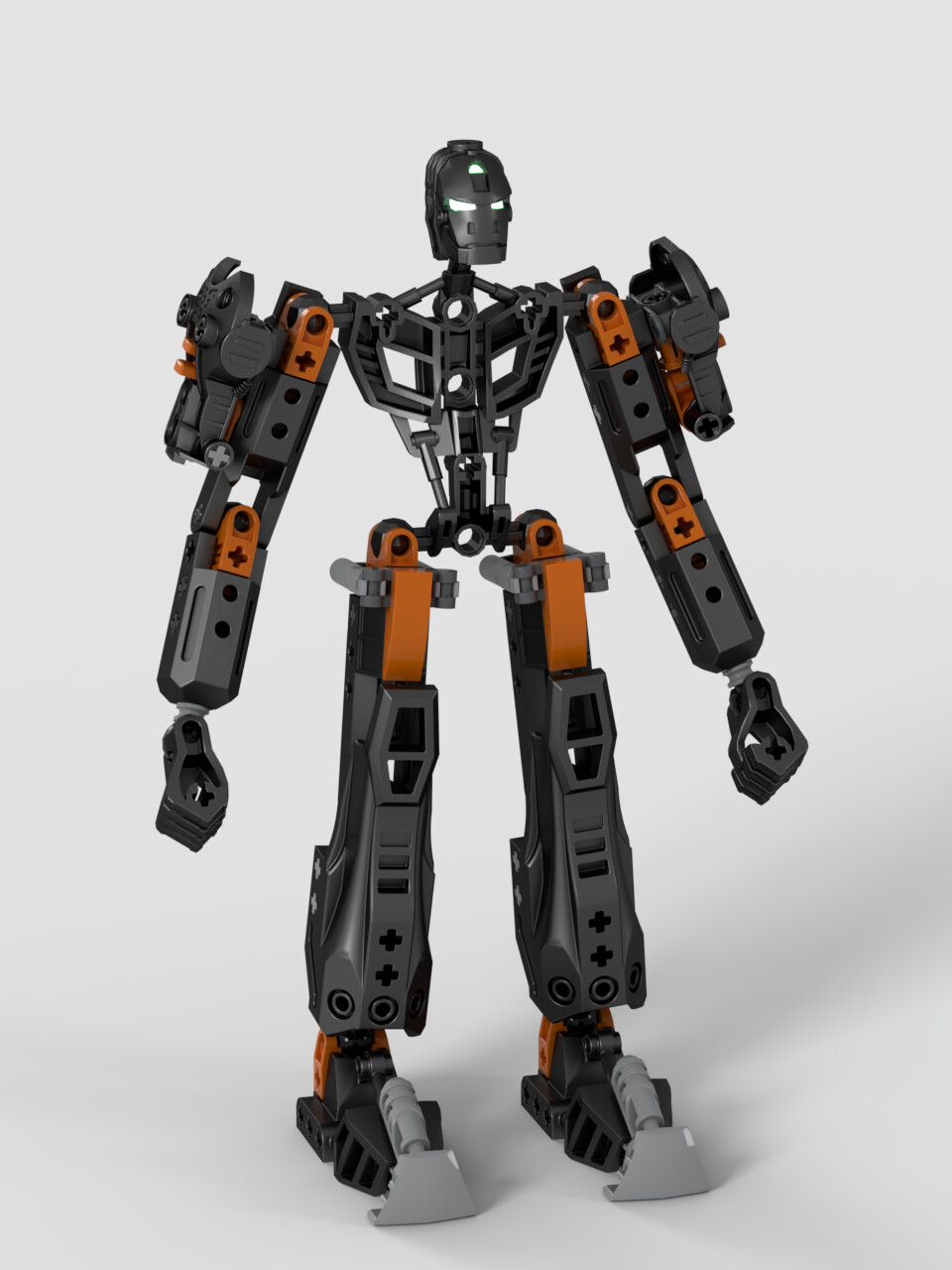
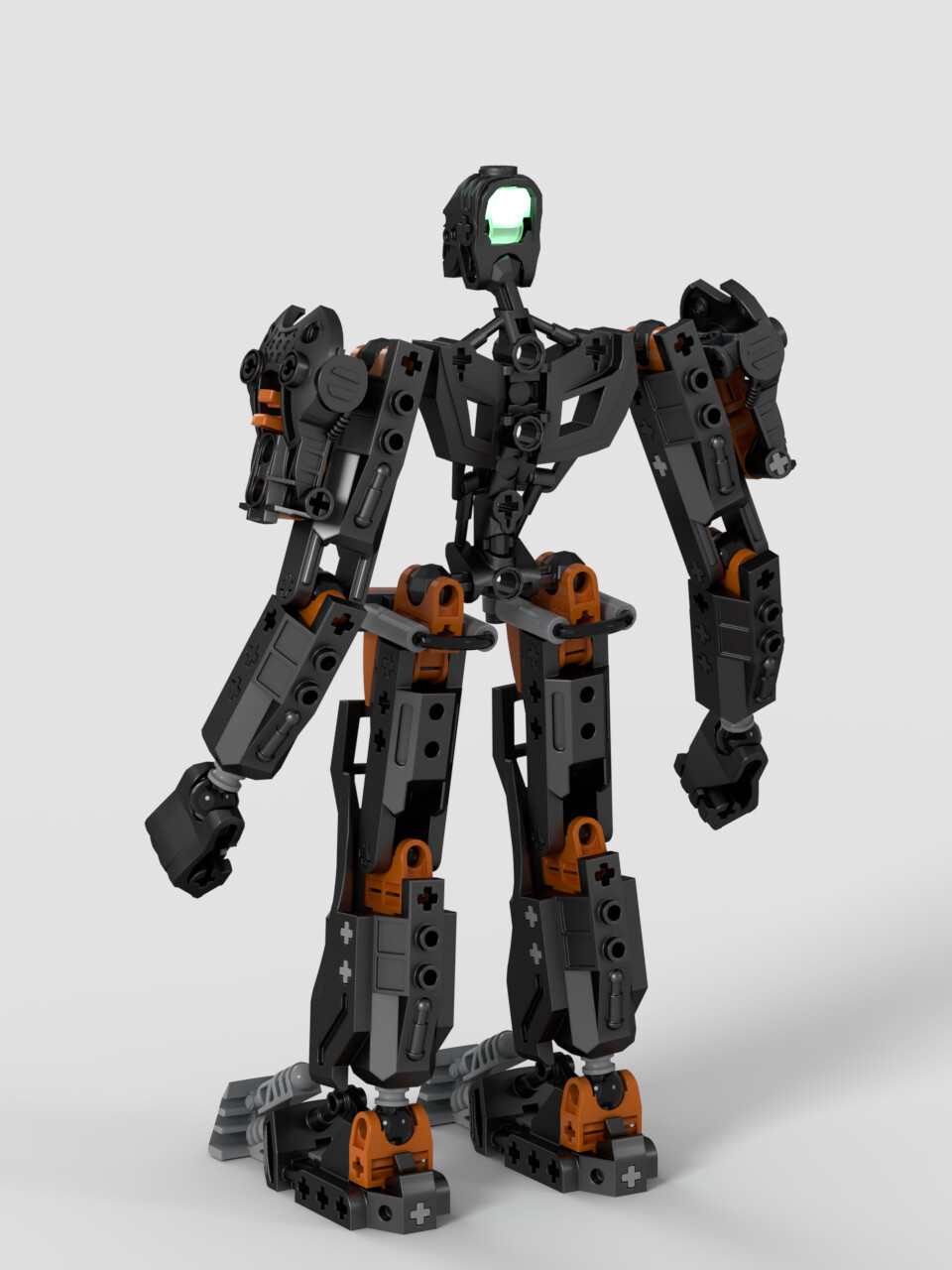
In the TAFBS system, the standard Toa leg is intentionally straightforward: The basic skeletal structure consists of just three modules: the foot, the shin, and the thigh, connected using axles, standard balljoint connectors, and through hole ball joints, before finally adding the shin armor over the lower leg. Each shell variant requires only four additional parts: two axles, one ball socket, and one ball joint. The foot requires a single Technic connector, one ball socket, and two axles, although if you’re working on a tighter budget and don’t need maximum rigidity, a single axle and one socket are perfectly sufficient. The shin armor itself is attached using just one axle.
The entire leg consists of only sixteen parts, twelve of which are common elements that LEGO already keeps in regular production. The division of the limb into clearly defined modules leaves plenty of room for customization, making it easy to create leg variants that fe el unique to different species.
A shared construction standard for different body archetypes was something the original BIONICLE generation lacked, while CCBS simplified the concept so much that, over the course of its two year lifespan, it introduced less species diversity than the first generation mana ged during its first six months.
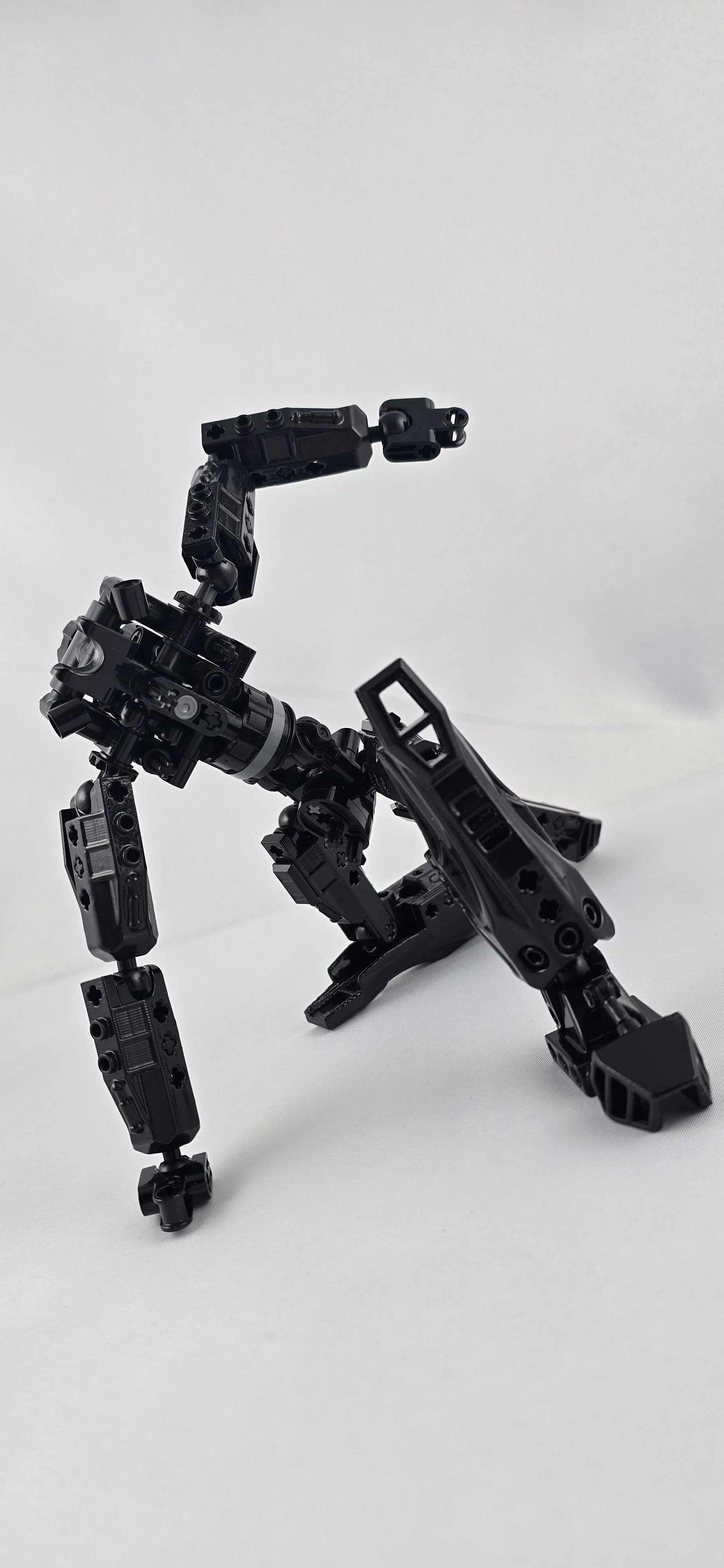
Most importantly, this system preserves articulation in both the knees and elbows. Something that’s unfortunately absent from most modern LEGO action figures ever since the company began pushing the SCCBS building system. The architecture of TAFBS differs fundamentally from both previous BIONICLE building systems because all moving joints are separate from the structural elements themselves. As a result, the TAFBS shells experience virtually no wear during normal use. The only parts that are subject to wear are the replaceable joint components. The system places a strong emphasis on modularity without restricti ng the creativity of the builder.
Unlike CCBS, where the shells largely dictated the final shape of a MOC, TAFBS leaves the designer in full control. In addition, the axle holes positioned along the sides of each shell make it easy to lengthen or shorten individual limb segments as needed. Its high compatibility with the wider LEGO ecosystem also gives TAFBS exceptional longevity, since the structure relies primarily on connection elements that LEGO has been manuf acturing continuously since 1999.
Finally, because TAFBS doesn’t depend on large numbers of tiny decorative parts, as modern action figures often do, it also creates a much more accessible building experience for children. By owning just a handful of Toa built around the components shown today, they would already have everything they need to begin designin g original characters of their own.
However, it’s also worth remembering that LEGO is, first and foremost, a corporation. Its primary objective will always be maximizing profit rather than serving the interests of its customers, a reality many fans felt was demonstrated by the company’s recent, highly controversial decision to shut down the BIONICLE: Masks of Power project without offering any explanation that made sense from the community’s perspective. With that in mind, it’s also worth considering why TAFBS would make sense even from the viewpoint of a cold, profit driven executive.
TAFBS system relies heavily on elements LEGO already manufactures, it requires far fewer new molds than the average wave of G1 BIONICLE sets. On top of that, thanks to its unprecedented level of modularity, those new elements could remain in production and continue to be reused across future product waves for many years, eliminating the need to replace them with new variants every time. That, in turn, would allow LEGO to focus its resources on developing new weapons, masks, armor pieces, and more diverse torso builds instead. The excellent scalability of limbs built around these shells also makes it much easier to create visually distinct characters within a single product wave, gre atly reducing the risk of clone sets.
Unlike CCBS shells, these shells fully enclose the limb from every angle, eliminating the need to inflate a set’s part count with countless System filler pieces simply to compensate for shortcomings in the limb elements be ing the core of older building system.
When discussing TAFBS from a corporate profitability standpoint, it’s also worth mentioning once again that the elements showcased in this video are designed to be used in Rahi builds as well. Why is that so important? Ever since LEGO adopted its current policy regarding the introduction of new molds, the company has become extremely conservative about how many new elements it releases each year. Back in the day, every BIONICLE wave introduced a whole range of new limbs, masks, armor pieces, and weapons. There simply wasn’t a unified building system. New elements were designed specifically for each wave, with little consideration given to their long-term versatility. CCBS, on the other hand, was a true building system. However, being a system ultimately worked against it, because the fundamental assumptions behind its core elements were flawed. As a result, the shortcomings of those parts carried o ver into every subsequent wave of sets.
Like CCBS, TAFBS is also a building system. The difference is that its design was built upon the lessons learned from its predecessor’s mistakes. At the same time, unlike G1, every new element in TAFBS has been designed not only with Toa builds in mind—which, after all, was the primary purpose of the original shells and feet—but also with future products in mind, including models that may be far removed from humanoid designs. After all, if LEGO were to launch a third generation of BIONICLE, the first wave would naturally need to include both the Toa and their enemies, wouldn’t it? The problem is that, with today’s limited allowance for new elements, offering twelve visually distinct heroes and villains in a single launch would simply be too expensive. The most logical and cost-effective solution would therefore be to take advantage of the LEGO Technic system and make the villains a team of six Rahi, much like the original G1 launch wave. Most of the parts used in Nui-Jaga, Nui-Rama, Tarakava, and Muaka are still in production today. That means it would be entirely possible to create brand-new Rahi by thoughtfully reusing proven mechanical designs. In other words, by making the Rahi the primary antagonists of the first wave, LEGO could offer six highly distinctive villains without introducing any additional molds, relying solely on the new TAFBS elements created for the To a alongside existing LEGO Technic parts.
That is precisely why the TAFBS shells, despite being primarily intended as limb components, were deliberately designed to resemble Technic liftarms. Their numerous axle holes allow, for example, the feet to work perfectly as the foundation for animal heads, while the shin armor can easily serve as back armor for a sleek-bodied beast. Moreover, the abundance of axle holes in the new shells makes them ideal for constructing massive custom limbs, allowing builders to create Titan-sized Rahi with ease. In this way, TAFBS maximizes creativity and set variety while minimizing the need for additional molds, preserving more of the theme’s development budget for future waves. On top of that, every single part has been designed to be versatile enough to justify its inclusion in themes such as Technic, NINJAGO, Monkie Kid, DREA MZzz, as well as many future LEGO themes.
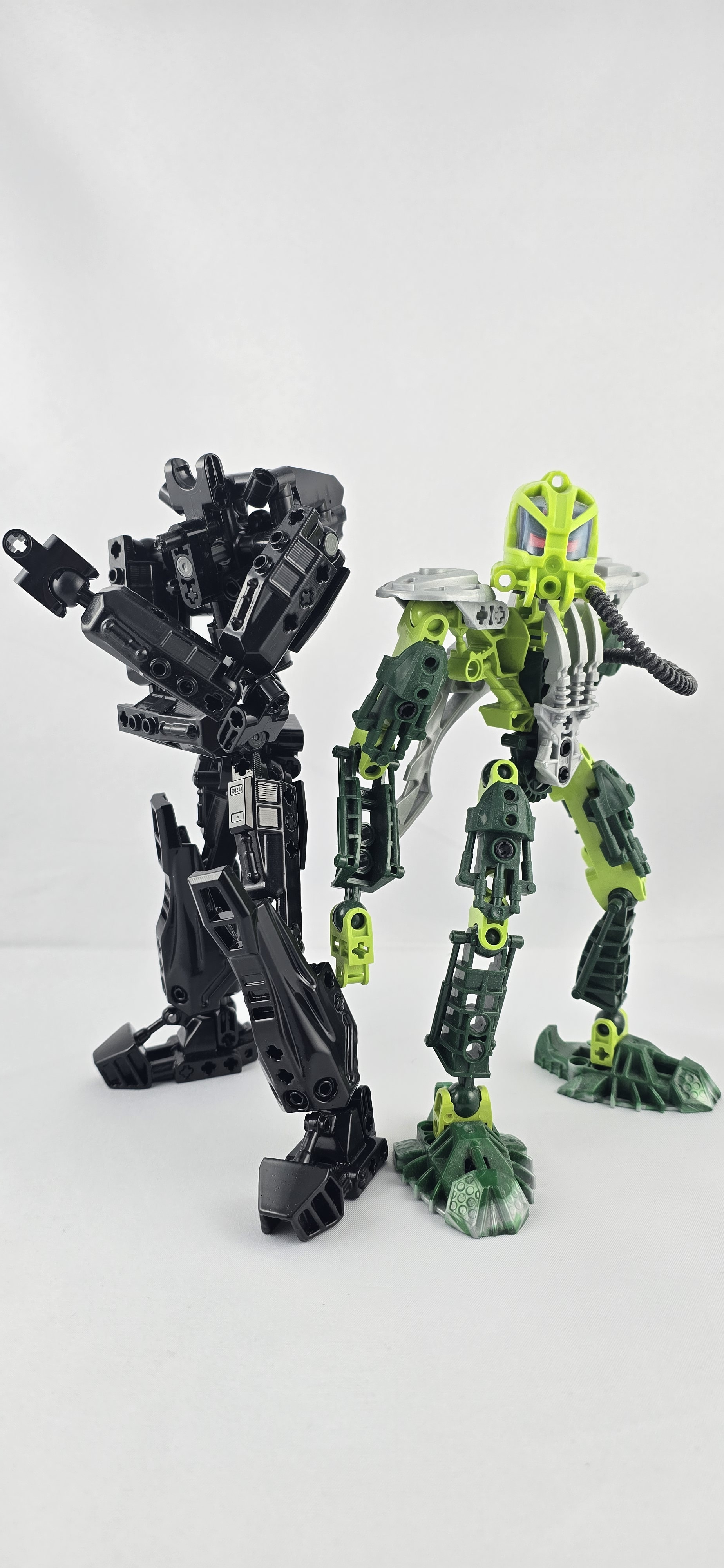
So, this is how I would go about restoring the BIONICLE if I were the person tasked with developing the concept for BIONICLE G3, Hero Factory G2, or any other new theme that, regardless of what it might be, would give BIONICLE fans the parts they need to build MOCs. Let me know your thoughts on the elements presented today. 
Of course, I have designed many more. These four are merely the absolute minimum I managed to prepare in time for this year’s 810nicle Day.
Wanna learn more about TAFBS? Check out this video:
https://youtu.be/w5mFWtI2vQQ?si=PkaF6kIGpdZQsixX
Link to the T.A.F.B.S. files:
360° spin:
~Taohe Netrus~