Could you perhaps post a photo of Nezha? I don’t know who or what it is.
5 Likes
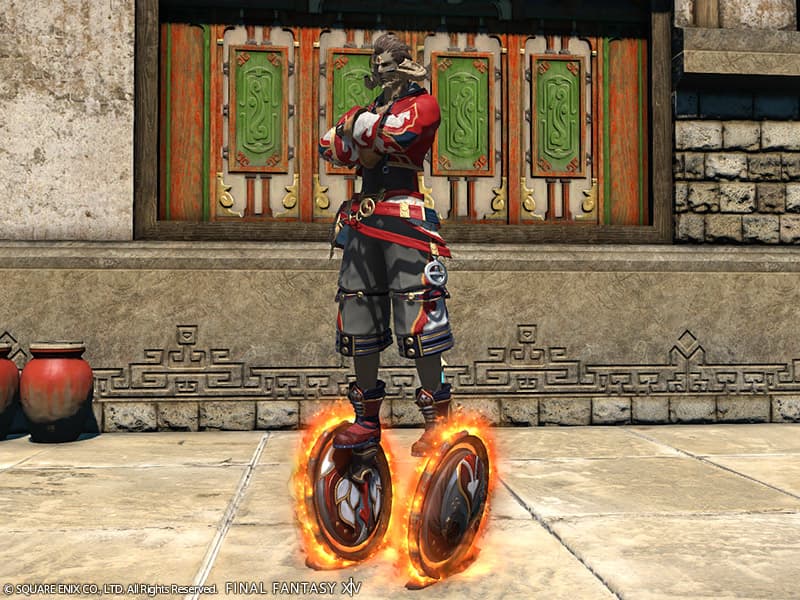
I assume “Nezha’s Wheels” are something like this? In that case, I think you could just attach an axle to a Mata foot like this:
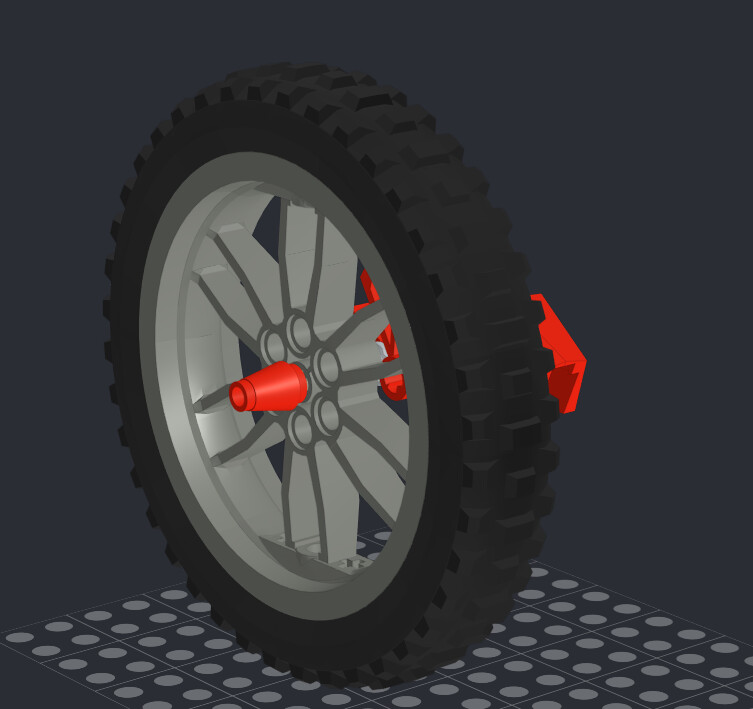
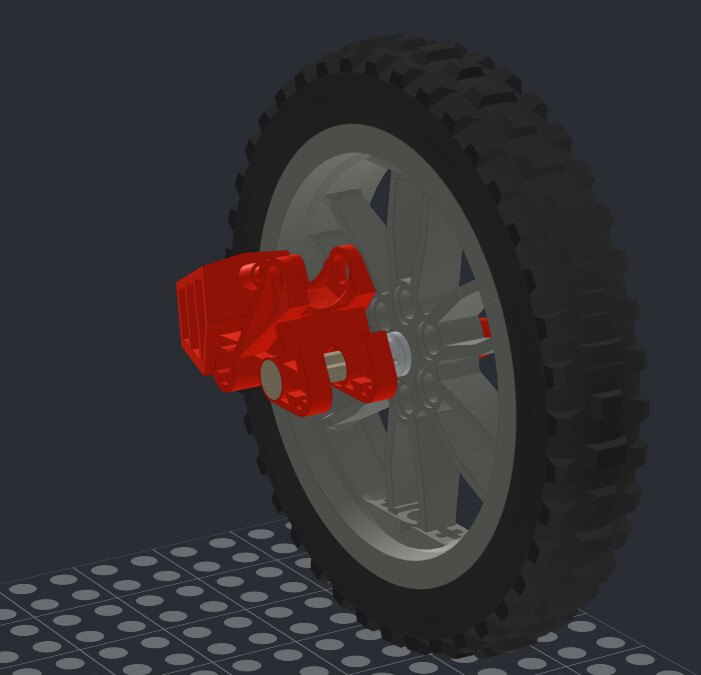
The wheel is pretty oversized but you get the point. Alternatively, if you want it at an angle like that top picture, try this maybe?
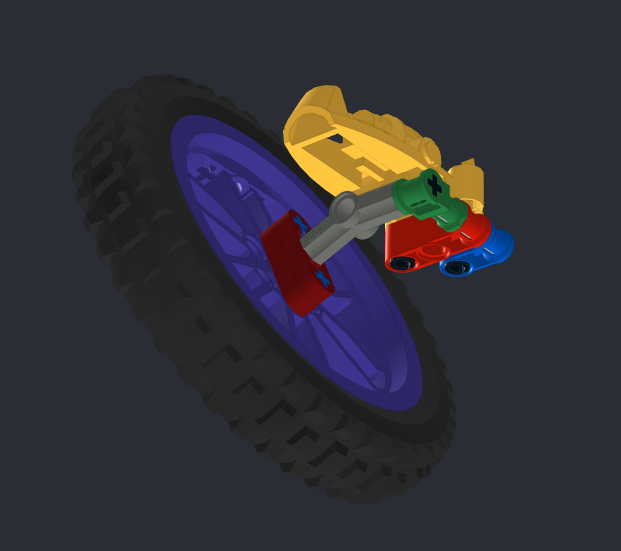
Those dark red bits are connected to the wheel so you can get a non-friction axle peg (this part) to connect to the angled axle connector.
Hope this helps!
6 Likes
actually im trying to have it similar to the monkey kids nezha wheels. and id also like if possible for him to be able to stand on his own

2 Likes
Very strange question… but I need help from everyone who has some knowledge of fashion and good taste in funky-looking MOCs.
I’m working on a new MOC that relies very heavily on custom cloth elements that I’m tailoring to fit him. The biggest part is a sort of shawl-cape element, based loosely on the red thing Steven Tyler wears in the music video for “Dude (Looks Like a Lady)” (which, for a multitude of reasons, I will not be linking here, and I advise caution if you do want to search for it).



A few blurry screenshots of what I’m going for.
You can see it starts off as a regular jacket-style thing but then flows to his ankles and ends in a point.
My problem is this: It looks nice with a point on Steven Tyler, but I don’t know how well the point will work with my MOC.
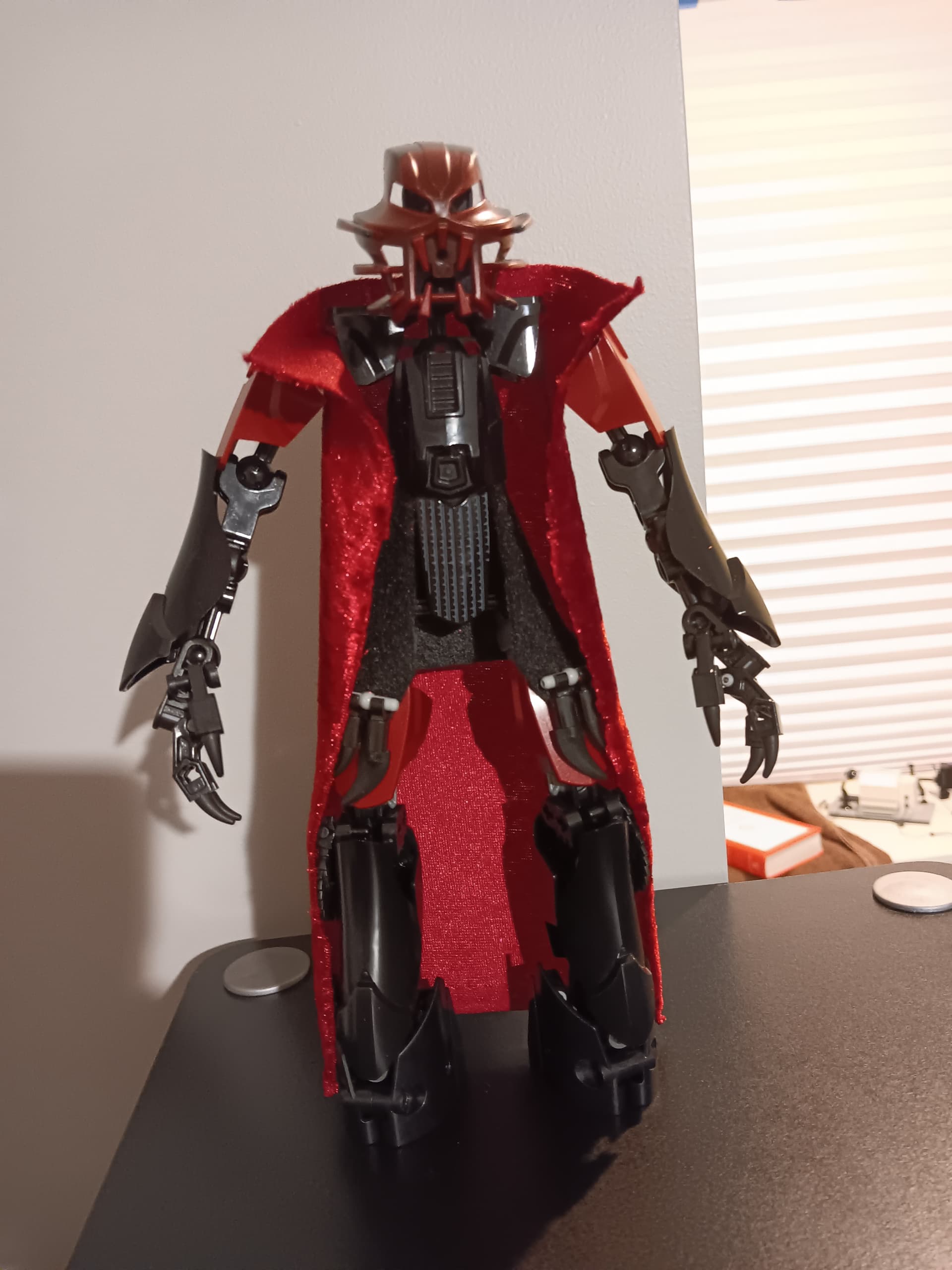
Here’s the prototype at the moment. As you can probably tell, I only have a rectangle with armholes at the moment. I want opinions, should it come to a point like Steven Tyler’s thingy or should it split into two tails?
I’m currently leaning towards two tails because it would cover up the backs of his legs more and would also provide some bits of red to the lower legs. At the same time, I’ve seen dozens of MOCs with the twin tails style, so the single point would let him stand out more at the penalty of probably committing a fashion crime.
While y’all are at it, I need help smoothing out some kinks in the actual skeleton design. I want those Star Wars CCBS shells on his lower arms, but the CCBS bone pieces stick out pretty egregiously. Anyone have solutions?
4 Likes
Personally, I would go with the single point. It’s more in line with what you’re copying. However, there’s a lot of things I would do different here, but you might not be looking for that. Are you going to add sleeves? Do you plan on creating more prototypes? If you have the materials and patience, I can provide my two cents on cloth work.
4 Likes
I’ve got a decent amount of that red cloth left but I was not planning on adding sleeves. If possible, I want to just make the necessary cuts and stitches on this current piece of cloth I’ve already cut, but if necessary I can make more prototypes.
This is my only Lego project at the moment, so I can devote a reasonable amount of time to it. I would love to hear your input on cloth work, I’ve never really made something of this scale before.
4 Likes
If you’re wanting to stick with the piece you have now, I certainly won’t stop you. If you do care to go all out though, here’s what I would do.
First thing I’d do is find a different type of fabric. If this fabric is all you have though, no worries, it’ll still work, it just won’t be as nice texturally. To give you an idea of comparison, making a MOC clothing out of a basic human T-■■■■■, or similarly stiff material, is like making human clothes out of a floor rug.
Next thing I’d do is cut a new rectangle, the key thing being some extra length above the arm holes.
I’d use an old method of mine I had for making cloaks. A rectangular piece of fabric with excess height that reaches above the shoulders. Lay the cloth down flat, placing the MOC on top. Fold the edges (on the long side) so they cover the arms. It’ll look like you cut too small a piece of paper to wrap a gift. Continuing with the present analogy, fold the excess fabric onto the shoulders, like you would fold the paper down on the narrow sides of a gift, then sew in place.
This doesn’t account for arm holes, so you’ll have to figure out how to line them up yourself. Just make sure you make the holes before doing any sewing, or your jacket will be too puffy.
For the collar, you can use any strip of cloth, even your initial prototype could be salvaged here. Just sew it around the neck. This is actually somewhere stiffer cloth is very useful.
At this point, you can make whatever additional cuts you need to get the right shape. Hopefully this method helps create that squarish, angular shape that jackets often have.
6 Likes
I will say, the fabric I chose was intentionally very thin. I wanted it to be flowy like real long garments, so this one was kind of the natural choice. It bends really easily, it’s comparable to Furno XL’s cape in rigidity. In texture, though, it’s a bit like a furry blanket.
I’ll try out this method. I wasn’t really planning to make a jacket for the model, just a sort of cape thing, but the tips you gave may be able to give the garment just the flare it needs. Thank you!
6 Likes
Or should it come to a point while also having a slit (basically the normal coattails, but angled together rather than apart)?
3 Likes
I’m working on a MOC and according to Stud.io it’s possible to put an axle all the way through part 72008.
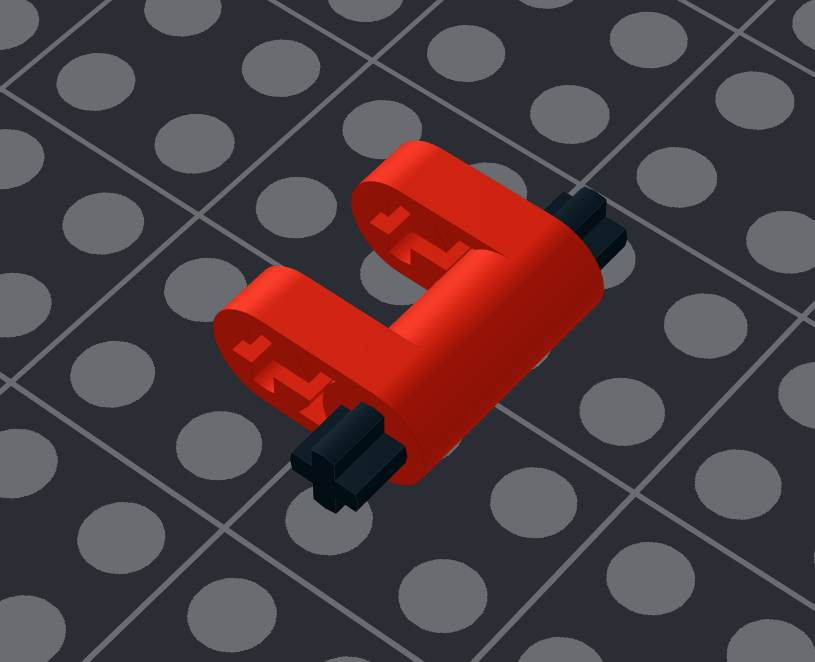
I don’t own the piece, but it looks strange to me that a piece like this doesn’t have a stopper in the middle.
Can anyone confirm (or deny) my suspicions?
3 Likes
I have one of those in black, and it does have a stopper in the middle
4 Likes
I’m curious, when using regular system bars in axel holes how strong and reliable is it?
4 Likes
That entirely depends on which axel piece we’re talking about and how new both the bar and axel hole are. And what sort of thing you’re looking to accomplish. On average I’d say they’re fairly reliable but not something I would put a lot of weight or pressure on.
6 Likes
Don’t know where else to ask this, but I saw this cool looking Tahu-revamp made by Loafbuilds on Flickr.
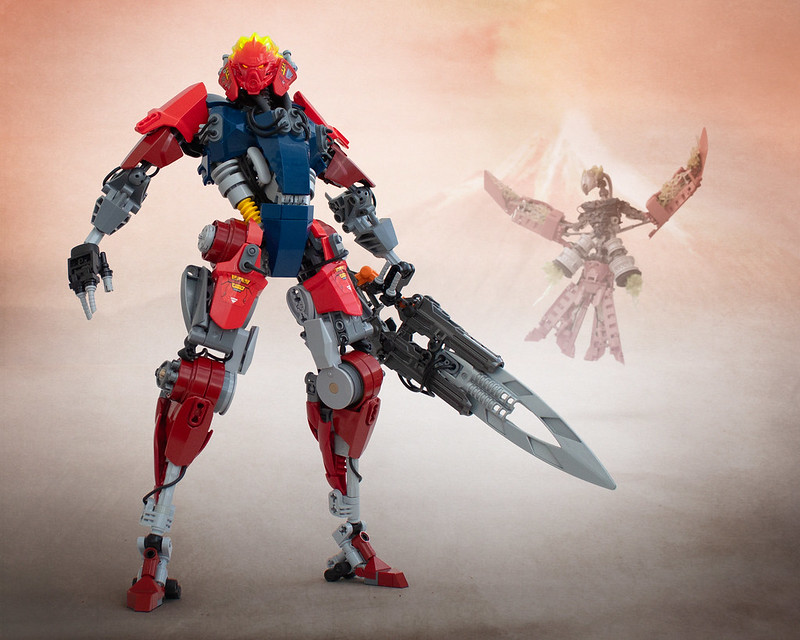
I was curious about that connection, which seems to be a ball joint in part 41678. Is… that actually stable enough to hold up the weight of the Moc? I feel like I’ve made big mocs (though smaller than this) that have tipped under their own weight, using standard connections. So I wondered about this particular connection holds up in practice.
Also the moc overall is a brilliant design, I love it, so I’m not any of saying this as a criticism. I just want to learn from it.
8 Likes
I’m assuming you’re talking about the ankles? I think your analysis is correct, looks like a ball joint stuck in there. The connection I believe is highly illegal, but if I recall correctly I’ve actually tried this. It’s pretty stable the first time you fit them together but eventually I think the 41678 part loses its grip as the arms get bent too much.
Long story short, I think it does work provided you don’t fidget with it too much.
5 Likes
The center of gravity on this moc is very carefully aligned to be as close to the position of the feet as possible. Any part that extends past the direct center of the moc’s stance is compensated for in some fashion by another segment in the opposite direction.
I personally don’t like that kind of connection, as even though it doesn’t damage any of the pieces it’s just not pleasant to look at. I’ve never used it in a moc myself.
5 Likes
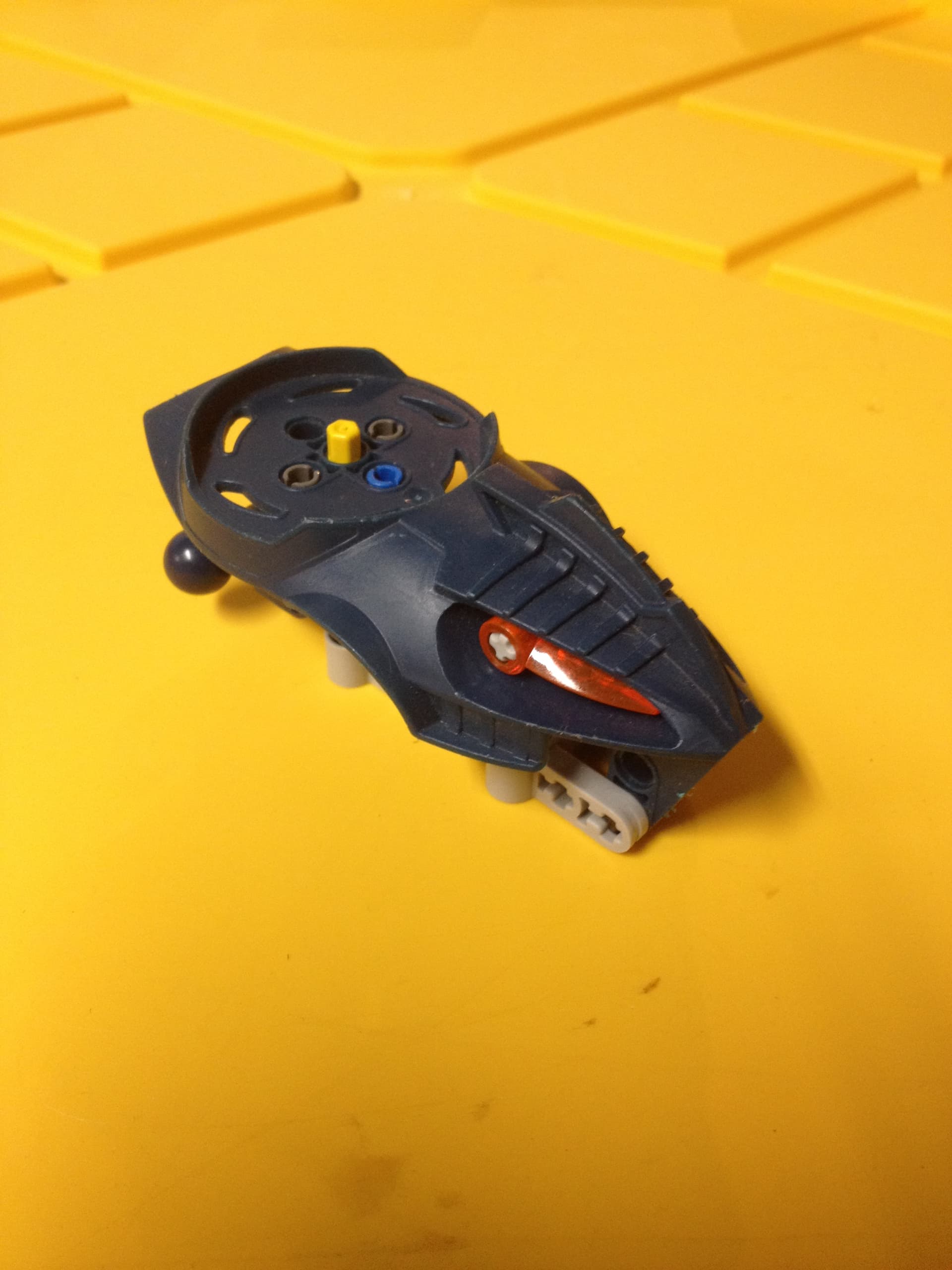
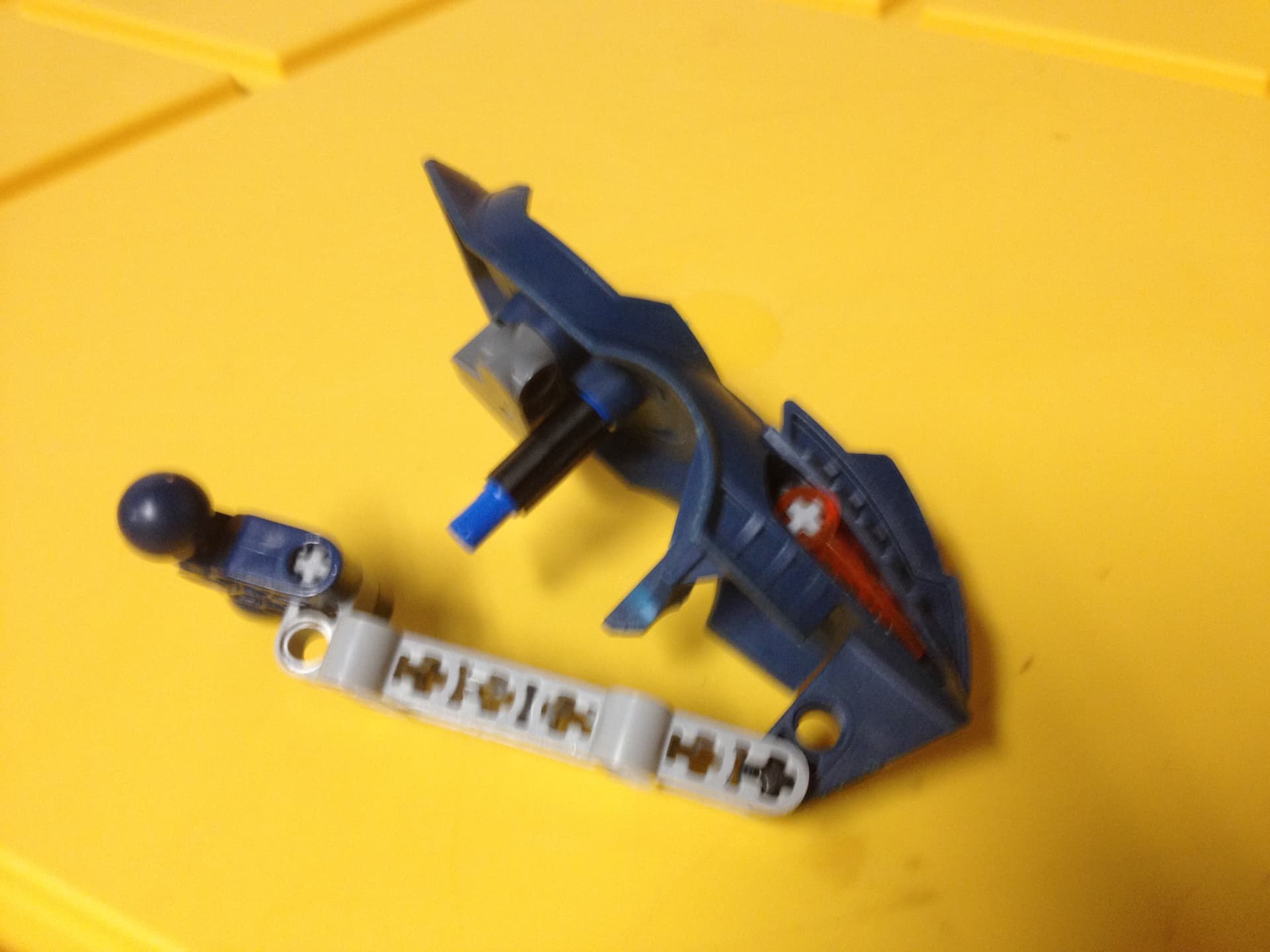
Not my own design, but I discovered this visorak in a bulk tub that someone had figured out a way to keep the head from flipping forward. This would be very useful when using the head for armor or similar but want to keep the grey base as well. It does hamper the rhotuka ripcord but that’s a risk you have to take 

5 Likes
I need easy to build, THICC ccbs thighs.
anyone?
2 Likes
you know I’m always up for this sort of thing :P
CCBS alone is tricky to work with for larger builds, but I’ll see what I can come up with
2 Likes
omg thank you
2 Likes